


 Astra Lumina School
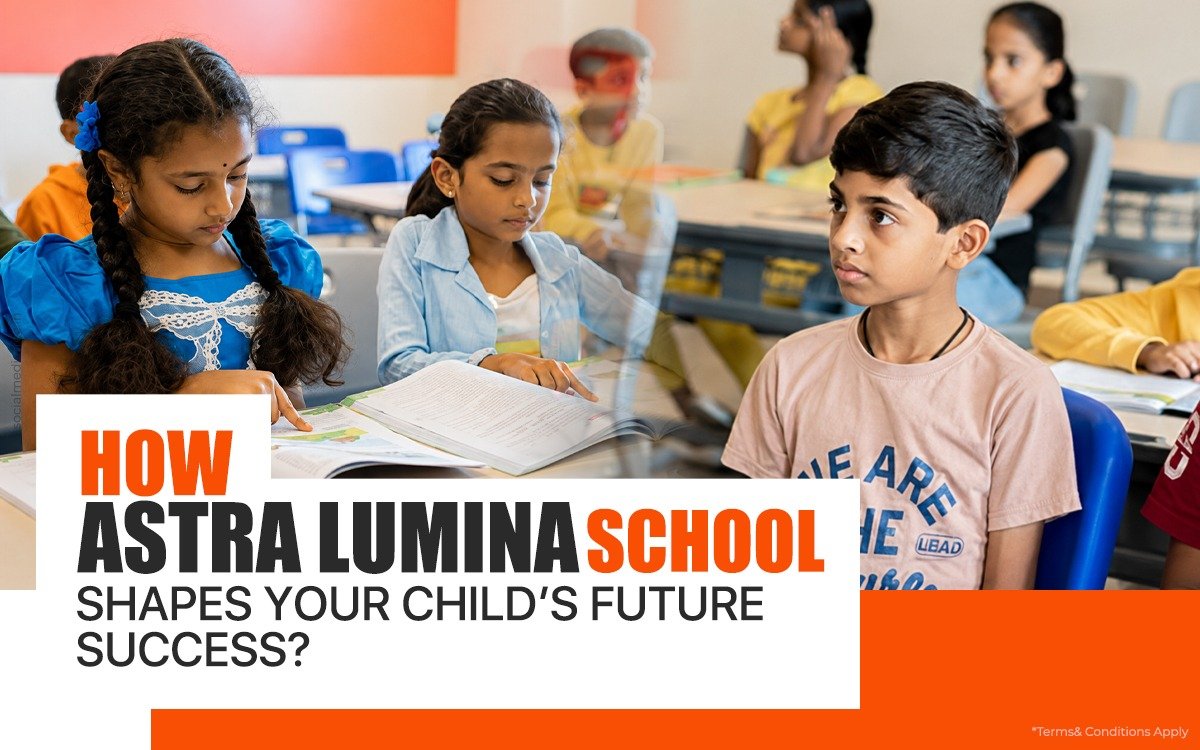
How Astra Lumina School Shapes Your Child’s Future Success
Parents choosing a school today are making a decision that reaches far beyond the next report card. The child who enters a primary classroom now will eventually move into higher education, careers, entrepreneurship, and adult life in a world that will continue to change. New technologies will emerge, industries will evolve, and the skills expected from young people will become increasingly diverse.
That is why future-ready education should never mean preparing children only for examinations. It should help them build strong academic foundations while also developing critical thinking, communication, creativity, problem-solving, adaptability, leadership, digital confidence, and the ability to learn independently.
For parents searching for the best CBSE school in Bachupally for skill development, Astra Lumina School offers an educational approach that connects academics, modern teaching methods, experienced mentorship, meaningful facilities, and progressive skill development from the primary years through Grade 10.
What does future-ready education really mean?
A future-ready student is not simply someone who knows how to use technology. Technology will certainly play an important role in higher education and professional life, but children will also need to analyse information, communicate ideas, work with people, solve unfamiliar problems, make thoughtful decisions, adapt to change, and keep learning throughout their lives.
This is why a strong CBSE education must balance academic excellence with transferable skills. At Astra Lumina School, future readiness begins with conceptual understanding. Students are encouraged to understand the reasoning behind what they learn instead of depending entirely on memorisation. When children understand concepts deeply, they become better prepared to apply knowledge, connect ideas across subjects, solve problems, and handle increasingly complex academic challenges.
How do astra lumina’s teaching methods build future skills?
The way children are taught influences the way they learn to think. Astra Lumina School integrates teaching approaches designed to make students active participants in their education.
Concept-Based Learning
Concept-based learning encourages children to understand the “why” behind a lesson. This strengthens academic foundations and helps students apply knowledge in different situations rather than remembering information only for an examination.
Activity-Based and Experiential Learning
Children often understand ideas better when they can experience them. Activity-based and experiential learning allows students to explore, observe, experiment, participate, and connect classroom knowledge with practical situations. This makes learning more engaging while developing curiosity, confidence, and problem-solving ability.
Project-Based and Collaborative Learning
Projects encourage students to research, plan, make decisions, communicate ideas, and work towards an outcome. Collaborative learning adds another important dimension. Working with classmates teaches children to listen, explain their ideas, consider different viewpoints, share responsibility, and contribute as part of a team.
These are not merely classroom abilities. They are skills that become increasingly valuable in higher education, workplaces, entrepreneurship, and everyday life.
Inquiry and Discussion-Based Learning
A child who is comfortable asking questions is more likely to become an independent thinker.
Classroom discussions, questioning, and reasoning encourage students to move beyond simply accepting information. They learn to analyse, explain, defend ideas, and develop intellectual confidence.
Why experienced teachers and mentorship matter
Modern facilities and innovative teaching methods can only achieve their purpose when they are guided by capable educators.
Experienced teachers understand that students do not all learn in the same way or at the same pace. One child may require additional explanation, while another may benefit from greater challenge. Some students need encouragement to participate, while others need guidance in becoming more disciplined and independent.
This is where mentorship becomes important. At Astra Lumina School, teachers play the role of academic guides as well as mentors. They can identify strengths, recognise learning gaps, encourage curiosity, provide individual guidance, and help children gradually take greater responsibility for their own progress.
A future-ready school does not simply provide opportunities. It has teachers who know how to turn those opportunities into meaningful development.
How do school facilities become learning experiences?
Facilities matter when they contribute directly to what a student learns.
Smart classrooms can make abstract ideas more visual, interactive, and easier to understand while helping students become comfortable with technology-enabled learning.
Science laboratories allow students to observe, experiment, test ideas, and connect theory with evidence. This strengthens scientific thinking, curiosity, and analytical ability.
Computer labs and technology-enabled learning support digital literacy, logical thinking, research skills, technology confidence, and responsible use of digital tools. Exposure to STEM, coding, and AI awareness can further help students understand how technology is shaping the world around them.
well-stocked library encourages reading, research, vocabulary development, imagination, and independent learning.
Sports facilities develop much more than physical fitness. Sport teaches discipline, resilience, teamwork, strategic thinking, leadership, and the ability to handle both success and setbacks.
Arts and music provide opportunities for creativity, self-expression, imagination, confidence, and talent discovery.
Indoor activity spaces encourage interaction, exploration, collaboration, and creative problem-solving, while auditorium and multipurpose spaces can support presentations, cultural programmes, public speaking, performances, leadership opportunities, and stage confidence.
Transportation and a safe, supportive learning environment also contribute to a more consistent and comfortable everyday school experience for families in Bachupally and nearby areas.
From primary school to grade 10: Skills must grow with the child
Future readiness cannot be developed in a single workshop or one academic year. It has to evolve gradually.
Primary Years: Building Curiosity and Confidence
In the primary years, children need strong foundations in literacy, numeracy, communication, conceptual understanding, and positive learning habits.
This is also the stage where curiosity should be protected and encouraged. Activities, exploration, teacher guidance, and opportunities to ask questions can help children develop confidence and begin seeing learning as something they actively participate in.
Middle Grades: Developing Thinkers and Problem-Solvers
As students move into the middle grades, academics become deeper and expectations begin to rise.
Children need to develop stronger analytical thinking, research ability, collaboration, communication, problem-solving, independent study habits, and responsibility.
Projects, technology exposure, group work, experiential learning, and teacher mentorship can help students make this transition from guided learners to increasingly independent thinkers.
Grades 9 and 10: Building Academic and Future Readiness
By Grades 9 and 10, students need greater academic discipline, conceptual depth, time management, consistent study habits, independent learning, and examination preparedness.
But these years should not be about pressure alone. Students who have developed strong foundations over time are better placed to approach higher academic expectations with confidence. They can analyse more complex ideas, manage responsibilities, make decisions, and take greater ownership of their progress.
Preparing students for higher education, careers and employability
Higher education demands more than subject knowledge. Students need to research, analyse, communicate, manage time, solve problems, and learn independently.
The same qualities become valuable later in professional life. Future careers will require people who can adapt, collaborate, communicate clearly, use technology productively, take responsibility, and continue acquiring new skills.
This is why skill development for students should begin well before they enter college or the workplace.
Can Schools Develop Entrepreneurial Thinking?
Entrepreneurship is not only about starting a business. At its core, entrepreneurial thinking means recognising opportunities, identifying problems, developing solutions, taking initiative, making decisions, communicating ideas, and learning from setbacks.
Project-based learning, problem-solving, creativity, collaboration, and leadership experiences can all help children develop this mindset.
Whether a student eventually becomes an entrepreneur, professional, researcher, engineer, artist, or enters another field entirely, these abilities can remain valuable.
Life Skills Matter Just as Much
Parents ultimately want their children to succeed not only professionally, but personally. A good education should help young people become confident communicators, responsible decision-makers, resilient individuals, thoughtful collaborators, and independent learners.
It should prepare them to deal with challenges, adapt to unfamiliar situations, work respectfully with others, and continue growing even when the answer is not immediately obvious. That is a broader and more meaningful definition of success.
What makes a child future-ready is not one laboratory, one technology programme, one teacher, or one activity. It is the way academics, teaching methods, facilities, mentorship, and learning experiences work together over many years.
Astra Lumina School offers an environment focused on building strong academic foundations while progressively developing communication, critical thinking, creativity, leadership, collaboration, digital confidence, resilience, and independence.
Because the strongest preparation for the future is not teaching children to predict it. It is teaching them how to think, learn, adapt, and move forward with confidence.